
Kathmandu, My Fascination
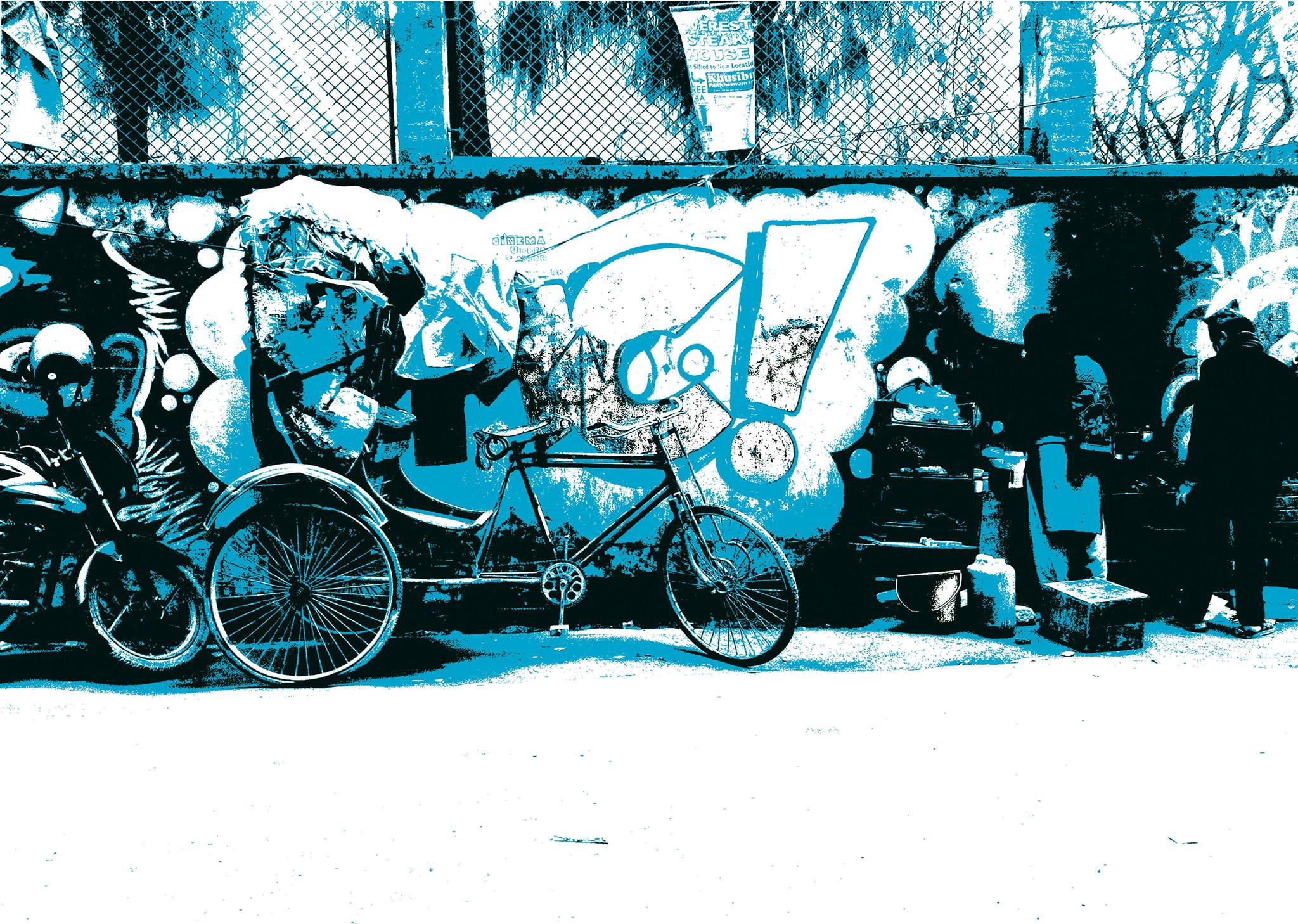
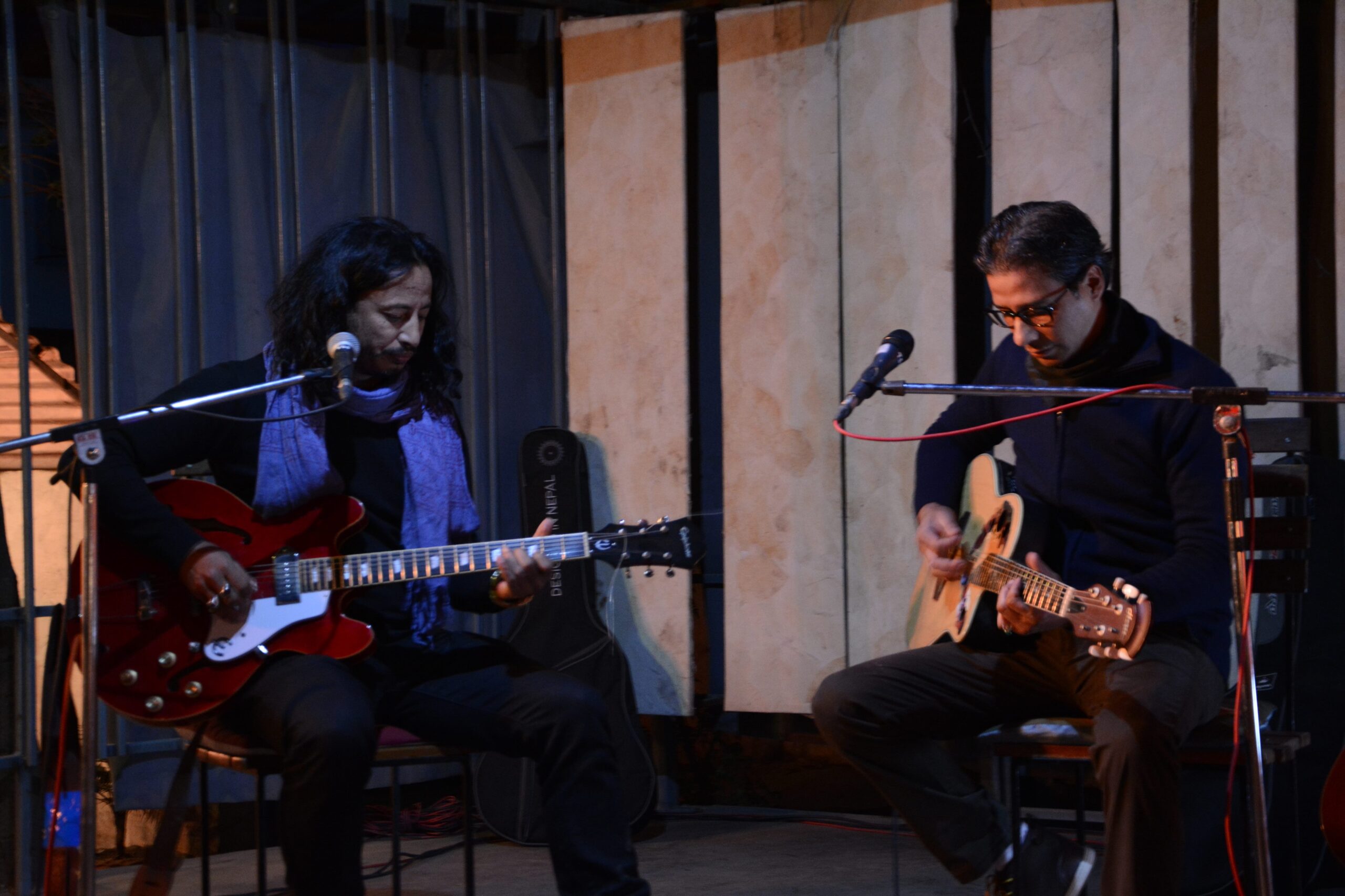
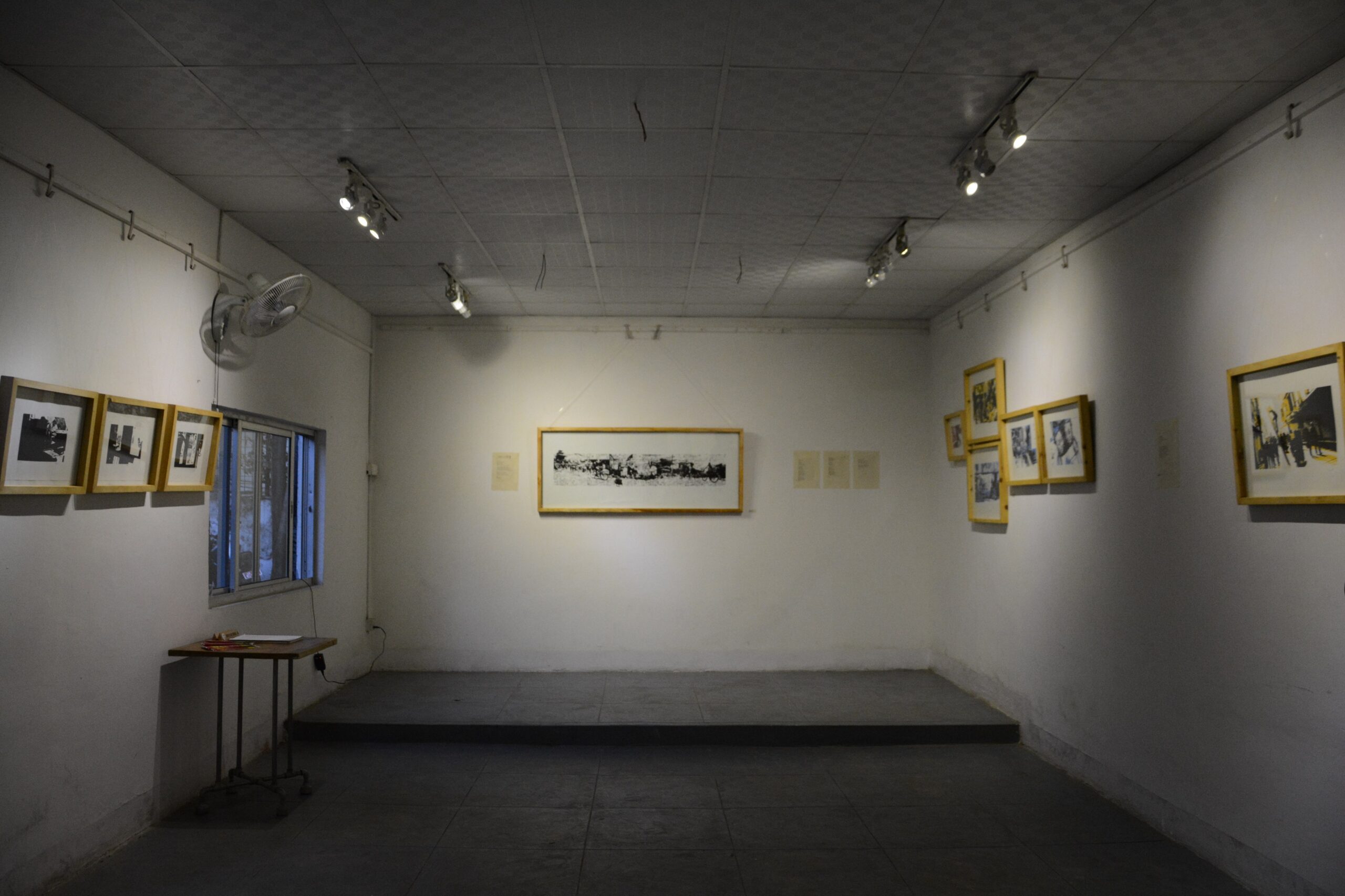
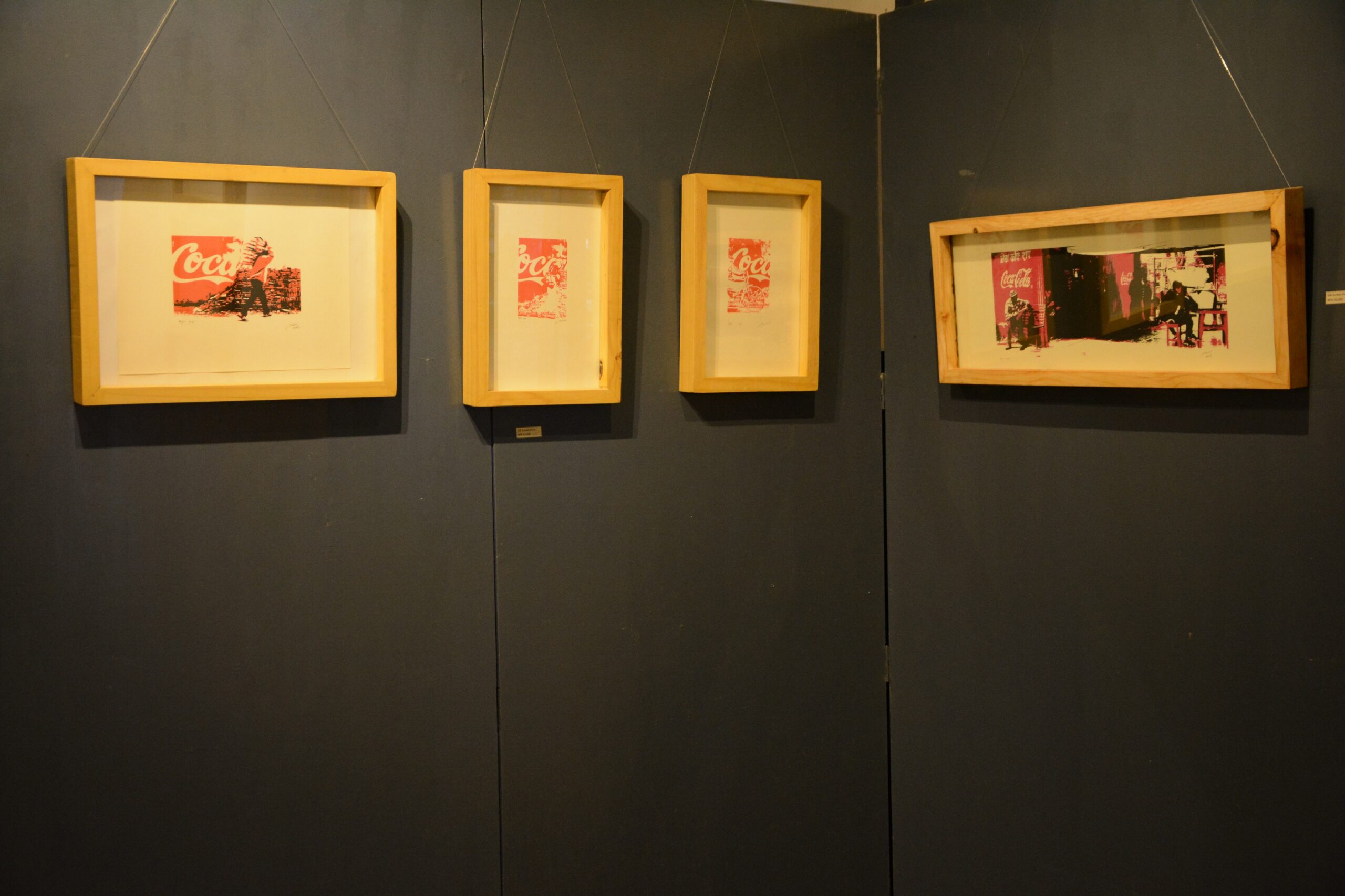
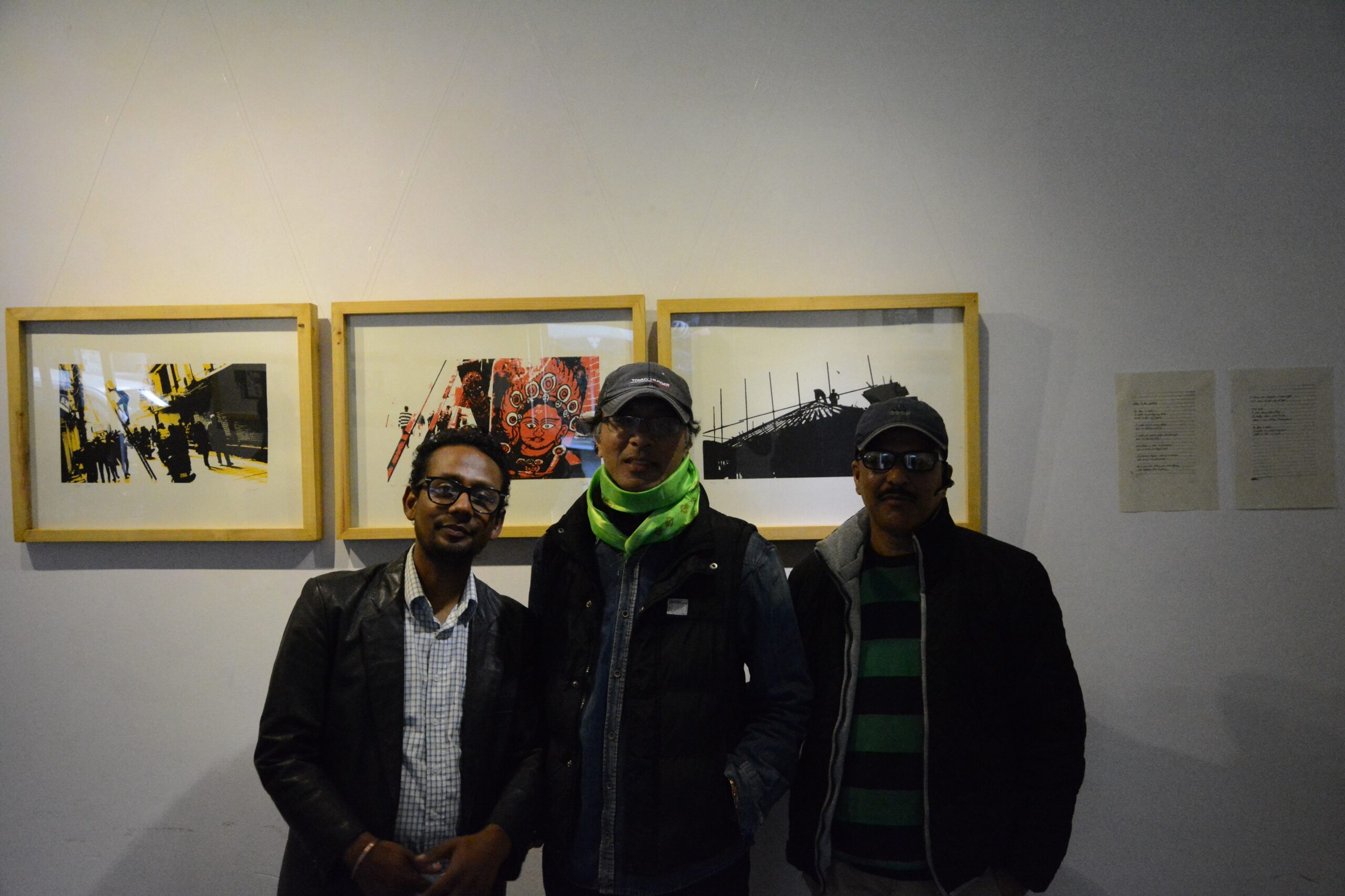
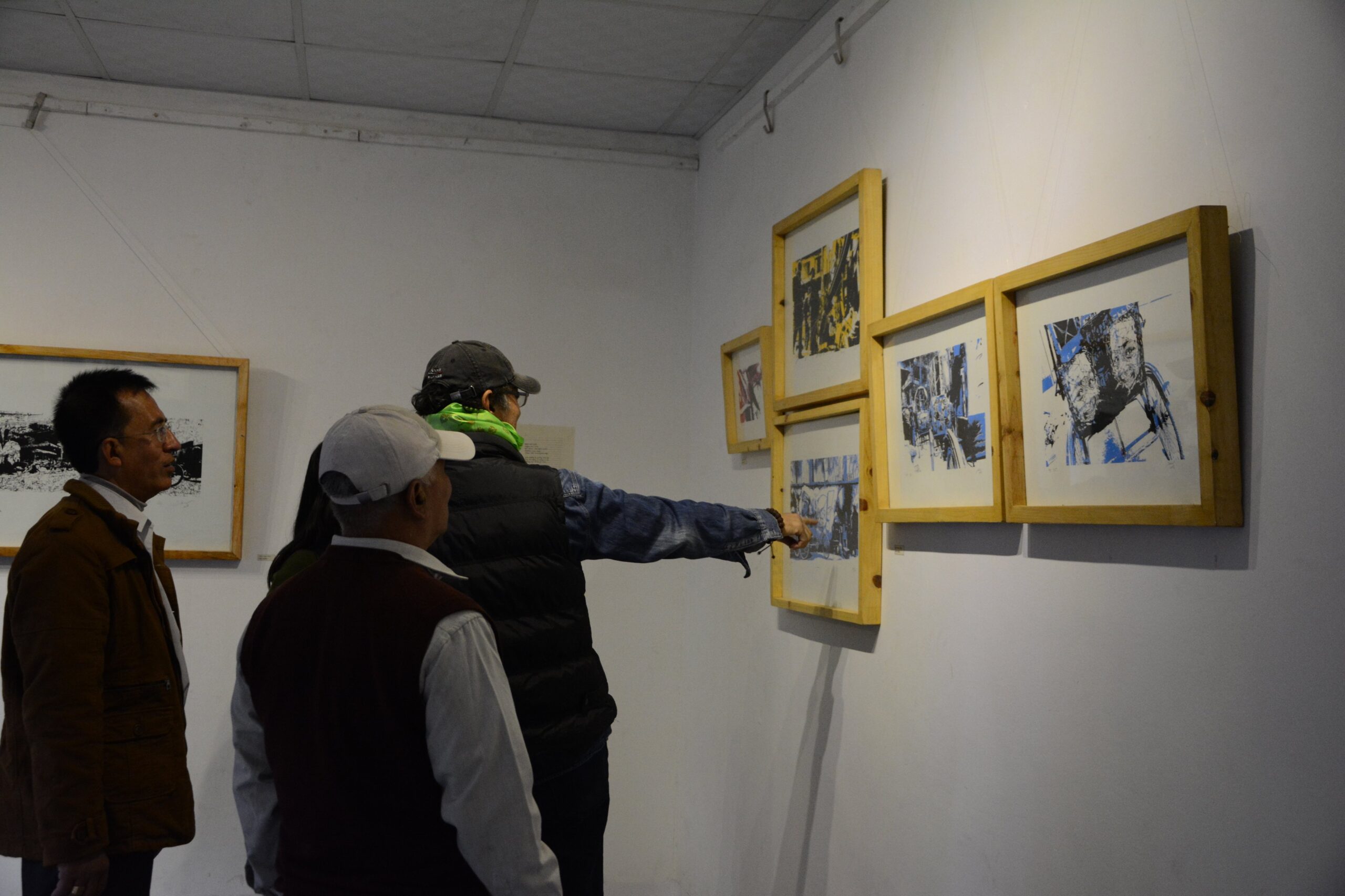
‘Kathmandu: My Fascination’ is a novel exhibition showing Prabod Shrestha’s pop-art silkscreen prints illustrated with a sound installation. The material displays the lifestyle of modern Kathmandu, often juxtaposing the old and the new. It includes rickshaws and motorbikes, temples and ultra-modern buildings, ancient statues and modern graffiti.
When Prabod lost his gallery during the earthquake in 2015, he started walking. He used to wander the streets of Kathmandu every day. It was a way to work through the trauma, but also to reconnect with his childhood. “Despite the overwhelming changes I still recognized the old city that shaped me when I grew up, Sometimes we are overwhelmed by the pollution and urbanization of Kathmandu but sooner or later we reconnect with its core and its vibrancy,” says Prabodh. ‘Kathmandu, My Fascination’ is the outcome of his post-earthquake wanderings.
All of us who live in Kathmandu and at times struggle with its development connect to Prabod’s work. He plays with different graphic styles but ultimately it is about what makes this city so timeless and vibrant.
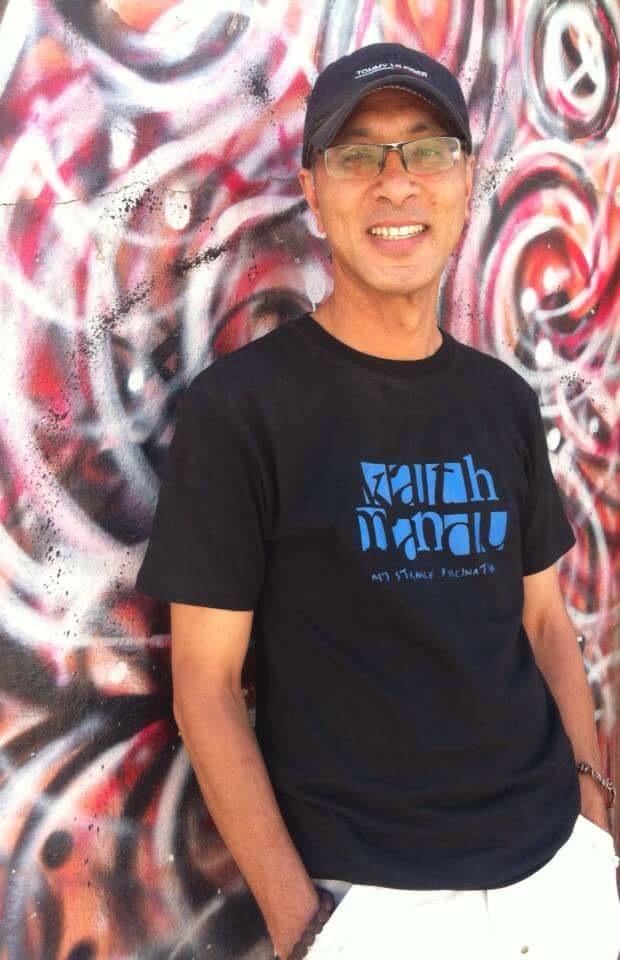
Prabod Shrestha is a graphic artist who is also known for his video editing and copper jewelry called ‘Zigi Expression’. The artist was born in Baglung but moved to Kathmandu at the age of two. He lived in different parts of Nepal before returning to the capital in 1975. This is where he spent his teenage years and where he discovered Freak Street as a place to learn to break boundaries and to be a ‘true hippie’. “On Freak Street my mind expanded. Here I learned to be an individual,” says Prabod.
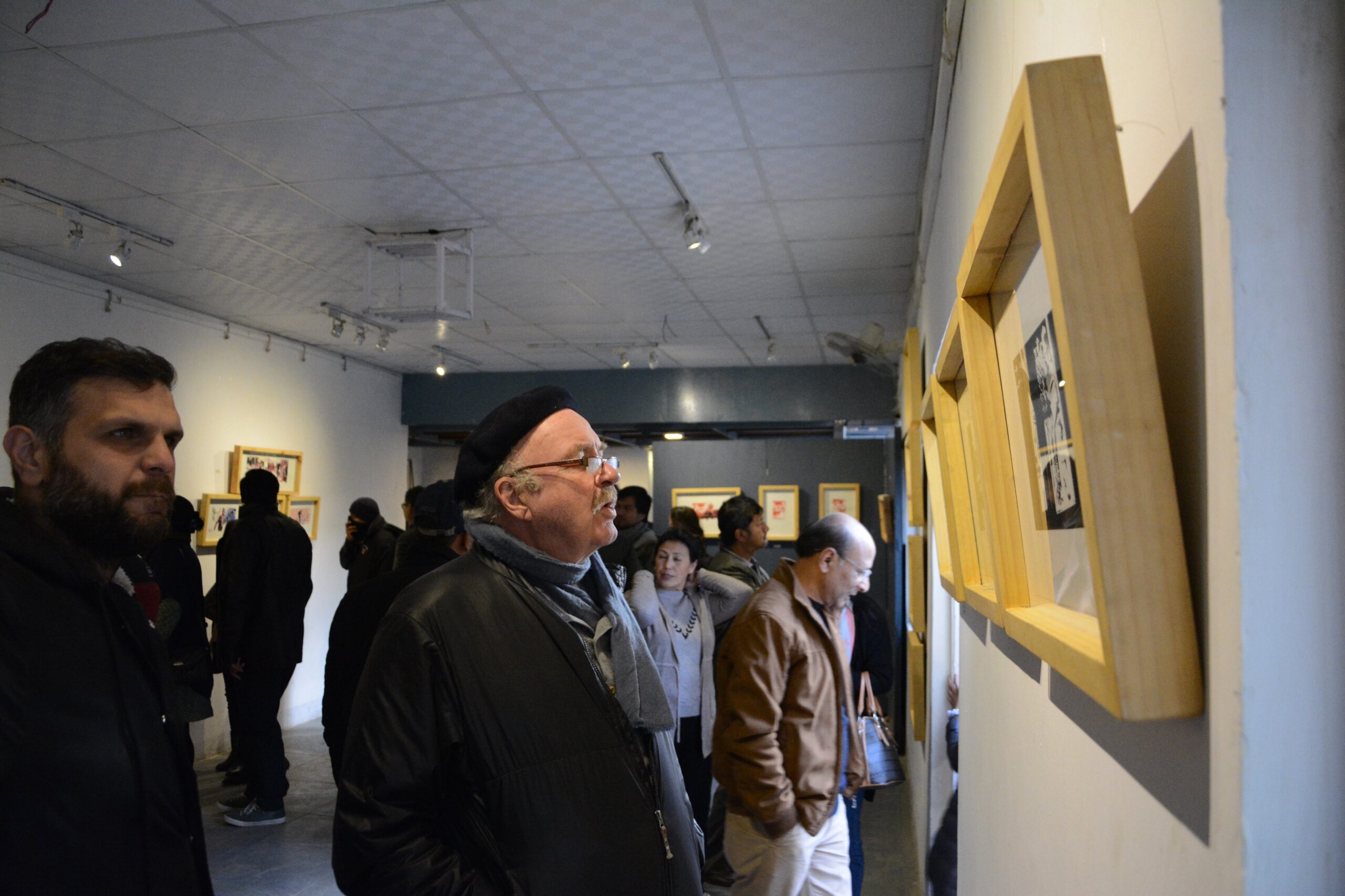
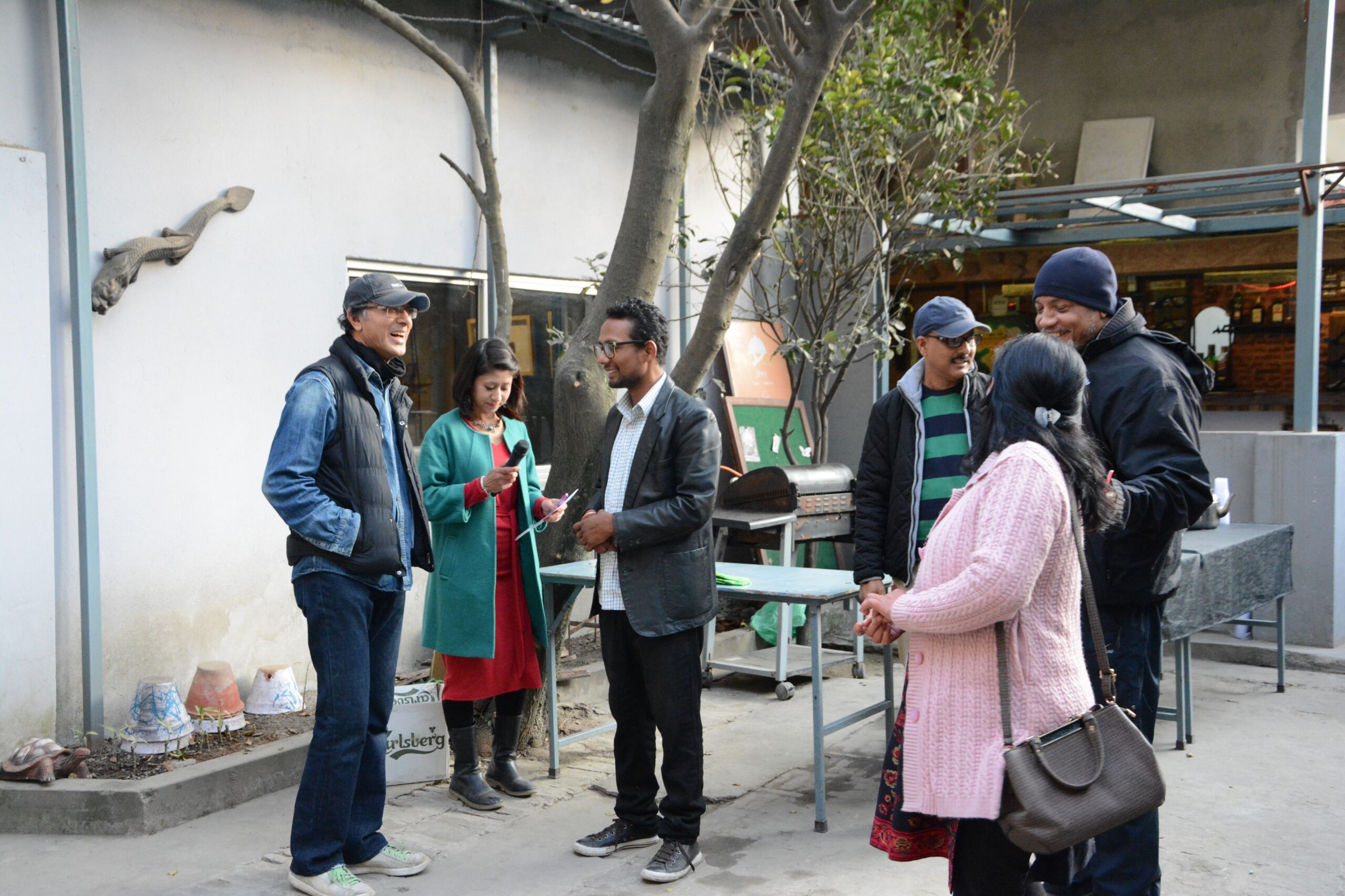
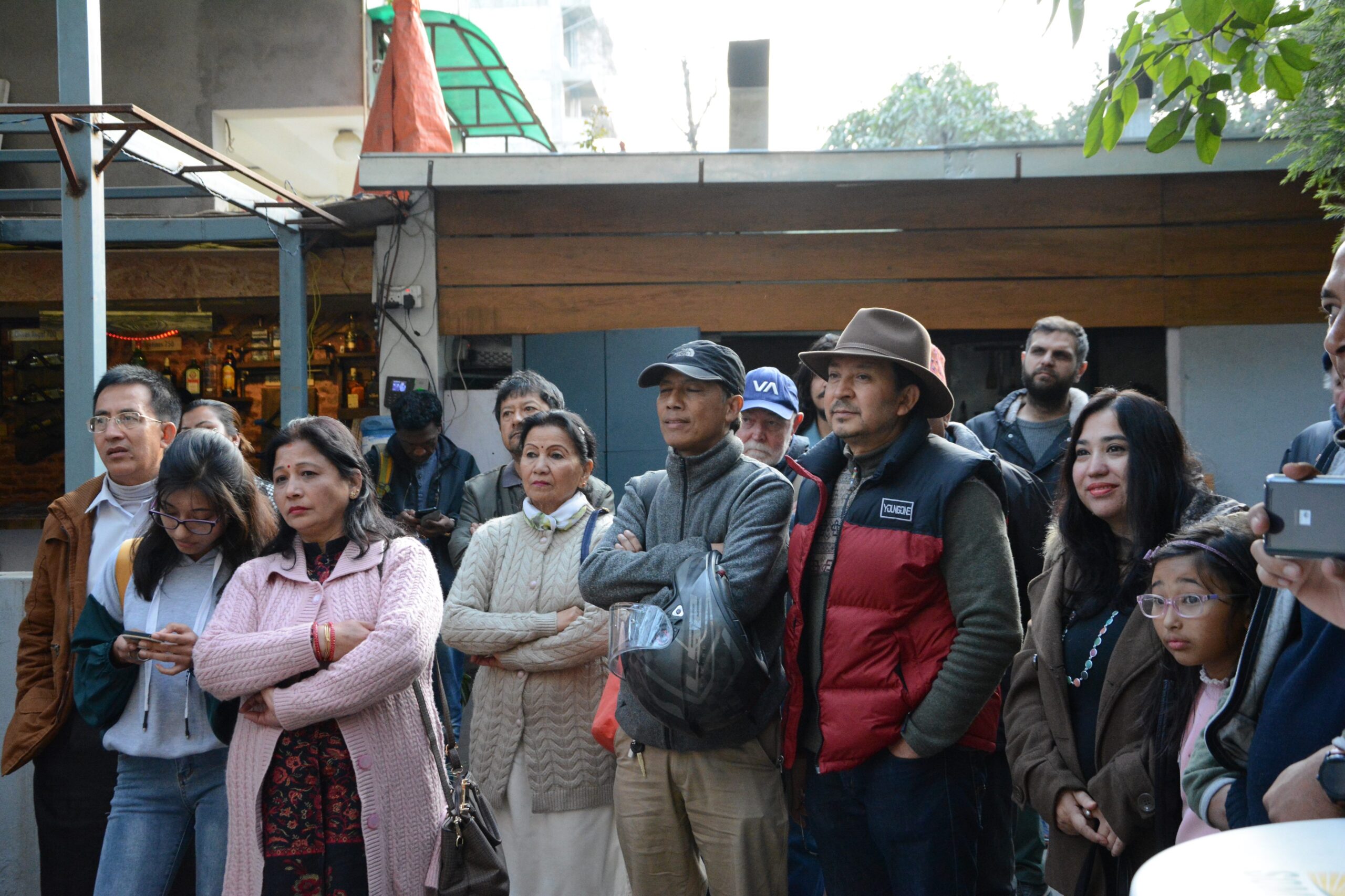
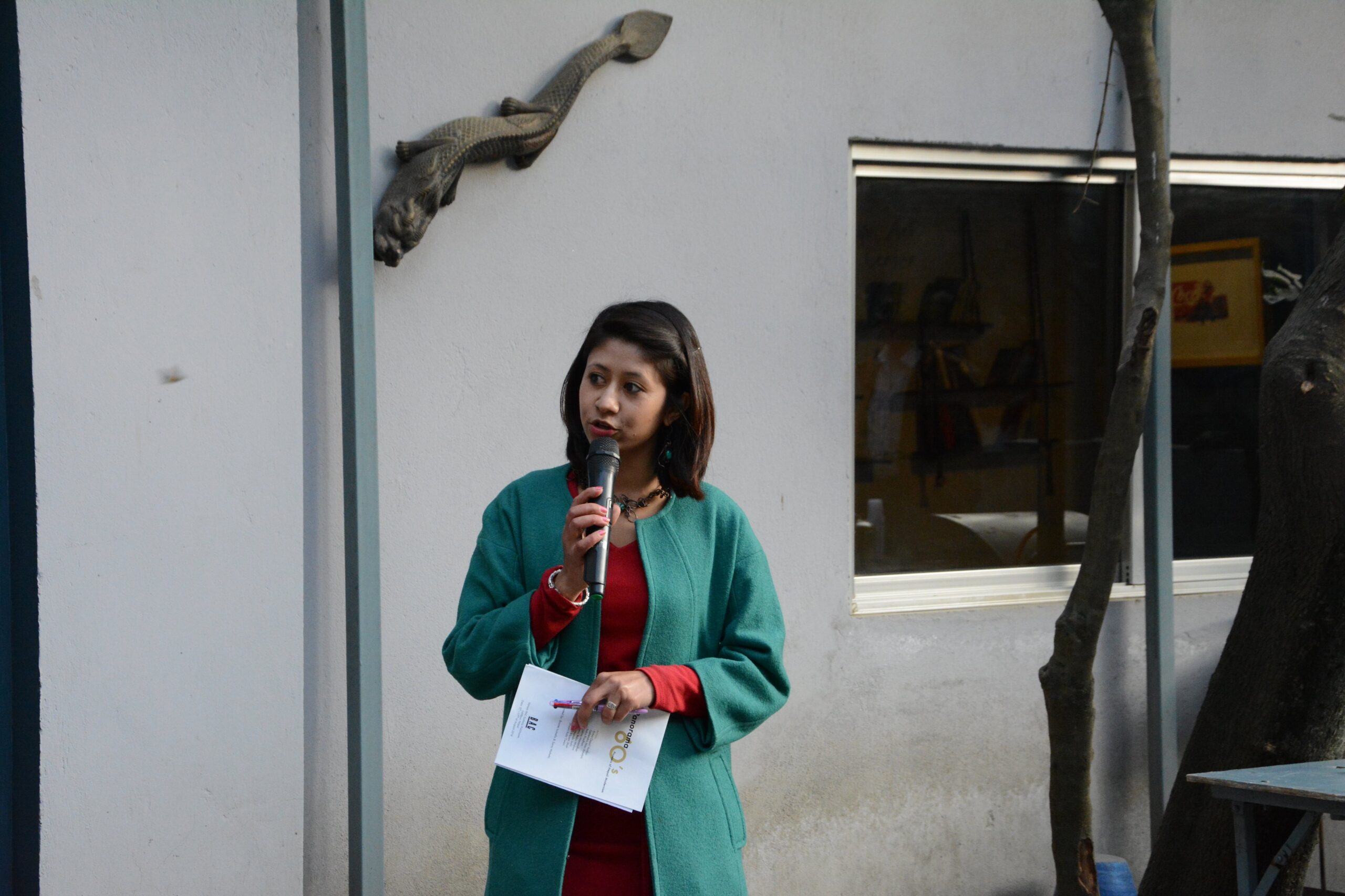
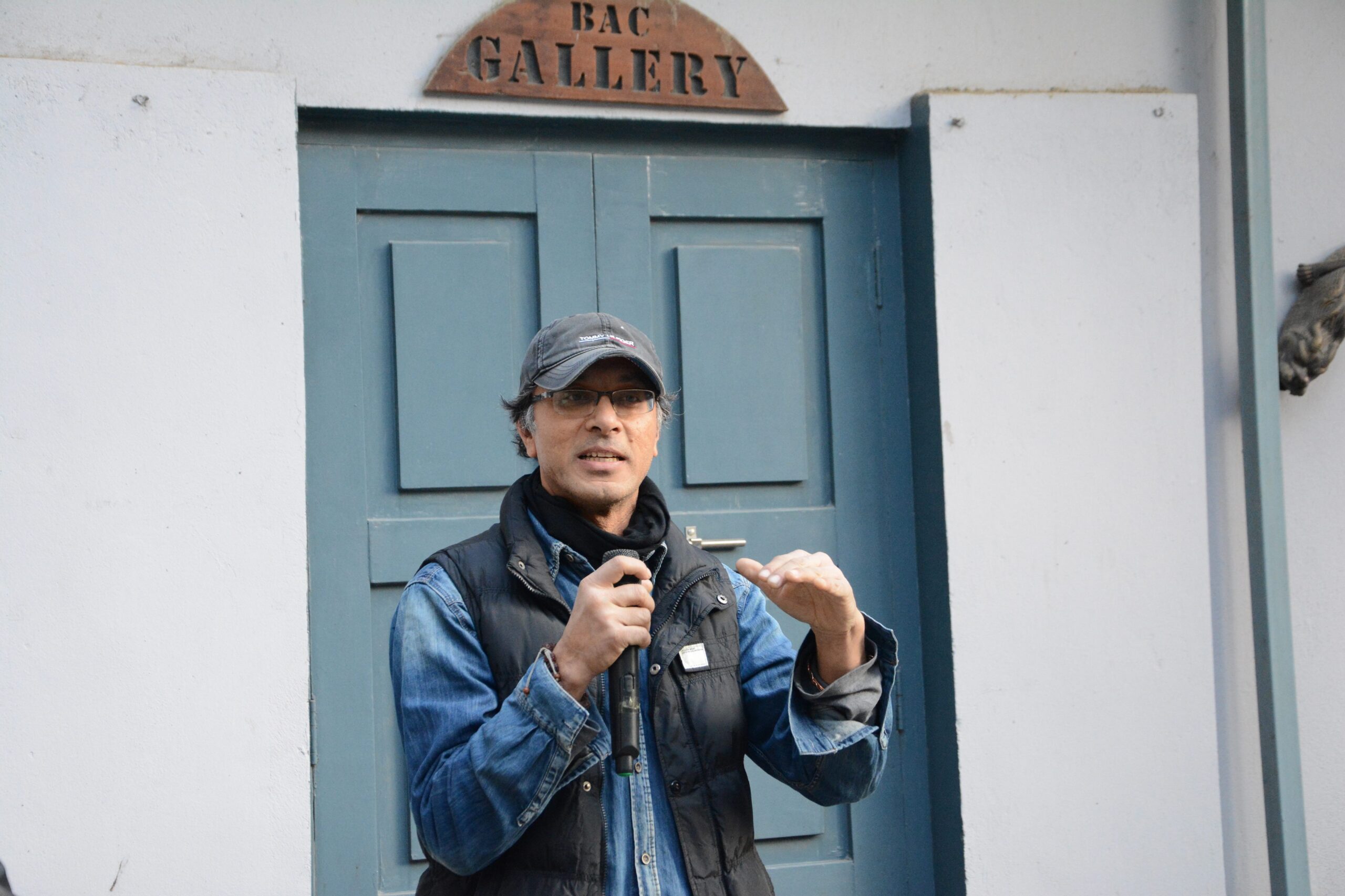
The exhibition will take place at Bikalpa Art Centre from 8th to 24th December 2018
Curated by Saroj Mahato & Lucia de Vries
About the Artist
Prabod Shrestha was born in 1966 in Baglung and moved to his ‘mamaghar’, Kathmandu, at the age of two. Since his father was a civil servant, Prabod moved countless times and lived in different parts of the country. In 1975 his family moved back to Kathmandu, and he has lived here since.
During his ‘hippie days, he frequented Freak Street with friends, played guitar in a band called Cream Roll, and travelled to India, South East Asia and different parts of Nepal. He worked at Lincoln School as a teacher assistant, and later got trained as a video editor.
Prabod worked as a freelancer with different advertising agencies and film producers creating award winning (motion) graphics and designs. He was involved in establishing youth magazine Youth Vox. From 2008 onwards he ran a restaurant at Pokhara’s lakeside.
In 2013 Prabod opened Ishine Gallery in Kupondole, showcasing the work of Nepali artist Jimmy Thapa, novel crafts and his own copper jewelry designs. Since 2015 Prabod has returned to his old passions, photography and graphic art. He is also involved in documenting the memories and images of hippie personalities from the golden days of Freak Street.




Featured Articles
Revisiting Kathmandu
Nepalikukur
I’ve been back barely a fortnight and my system is rejecting the very air I breathe. My throat feels raw, my eyes water and itch, and I’ve been sneezing like the Dickens. Finally, I give in and pop a pill or two, but I still haven’t had the sense to invest in a mask, and I insist on walking far more than is necessary or sanitary. You see more on the hoof, I tell my mother, how can you live in a city if you don’t know the texture of its living?
Living here is something else for my parents, though. It’s not important for them to live at street level, to be pedestrians. They’re too old to be wandering these broken roads. But they were never really interested in reading the moods of the pi-dogs, and have long cocooned themselves into high- walled compounds wherefrom they only venture in air-conditioned cars. When I try to explain to my mother just how bad things have become since the time we used to circle the ring road on our faux- BMXs and run from Bansbari to Nayabajaar for kicks, she doesn’t seem to understand, because the only sane response is to withdraw from the streets for a life less pedestrian – yet wholly so. Walking out from Balkumari into the labyrinth of gallis east of Mangal Bajaar, I osmose the sights and sounds of a week-morn and store them somewhere in the anterooms of an open mind. The dogs that by night raise hell to defend territory no human has any use for at that time now lie supine on the pavements or pant in front of butchers’ shops with the patience of scrap-seekers. A girl smiles as she exits her front door into the path of a motorcyclist she recognises. Bloody hunks of buffalo decompose next to bright plastic piles of telecommunications. A rat spills its guts outside the community market. Clumsily modelled Shakyamunis the size of SUVs take pride of place as millennial shrines to obscure gods crumble by the roadside, shiny khatas wrapped around the one, caked vermillion smeared on the other. Two men laugh at a big black mongrel shuffling about in a pink T-
shirt.
As I approach the decline of Pulchowk, a dozen observations are drowned out in the roar of traffic to the city, in which this place begins to resemble just another poor, unplanned clusterfuck of roads, overhead bridges, shopfronts, high-rises and people in a hurry. The dysfunction exists in its entirety on the smaller scale, too, but its humanity saves it. The variety of interactions in the old city is smoothed over into the monotony of a population headed to a destination of chopped-up office blocks. The variegated interest of Patan could hardly be the same if it were perfectly preserved, either, because such an artifice could only survive today as a purely touristic economy, as is the case in the “medieval” cores of Europe.
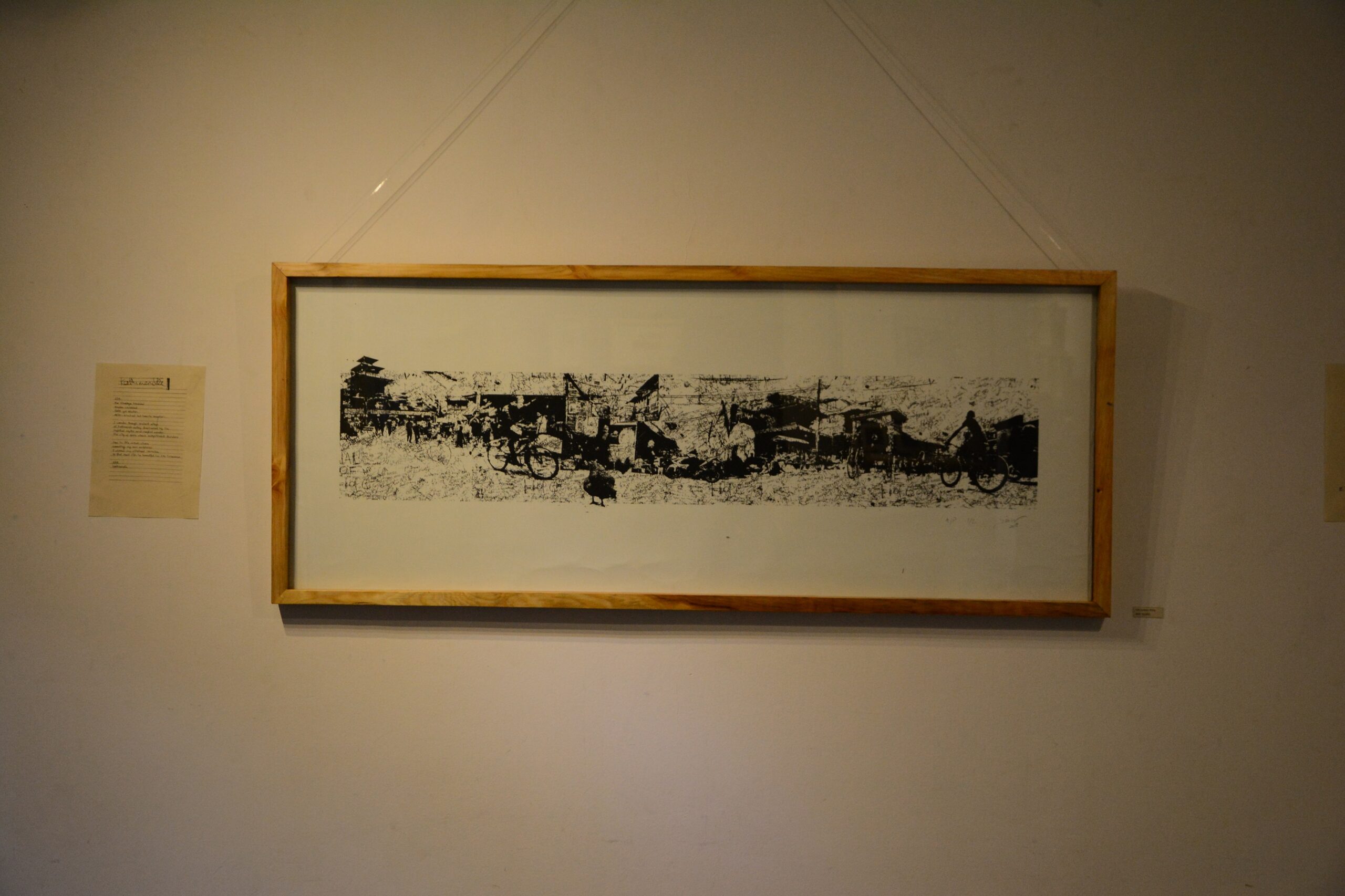
I’m not the only one wandering these streets. I take the overhead bridge and find myself in Bikalpa Art Center, where Founder/ Director Saroj Mahato and artist Prabodh Shrestha are preparing for an exhibition of silk screen prints drawn from the latter’s peregrinations within the Valley and over the years: particularly following the earthquake and the loss of the gallery he ran in Sanepa with the support of the artist and Freak Street icon Jimmy Thapa. The fragments of prose that accompany the exhibition “Kathmandu My Fascination” are searchingly naïve, but are of less interest than the prints themselves. They force you to look at them. As pure photos, perhaps, they wouldn’t command quite the same interest. But flatten the dimensions of reality out, and the superimpositions of the new and the old that characterise Kathmandu are scrambled into a monotone of affect. Most striking are those works that you can’t quite make out at first glance, such as the drapery of laundry over the work executed by Kolor Kathmandu on a low wall in Kupondole. A panoramic street view of Makhan Tol, taking in Taleju Bhawani, cyclists, walkers and a solitary hen front and centre is rendered almost indecipherable by the scrawl of superimposed signatures and crude graffiti, yet seems to echo the voices of the people who live and breathe in this city.
More accessible works, too, generate echoes and ripples. Rendered in red the paintings of deities and demons on the underside of the massive beams for the Rato Macchendranath chariot are almost too vivid, staring out at the bystander accusingly, who would fain pass them by in the dust of the quotidian. And then there is another wholly ordinary photo of a man on a ladder, which through Shrestha’s manipulations becomes almost transcendental; he fades out as he ascends to heaven while his compatriots scuttle along on their motorbikes to the daily grind. Most old cities, being impressive agglomerations of peoples and their structures and cultures, have the capacity to generate this kind of art, which is a sort of reflective, running commentary on the layers we create and are, ultimately, both bewitched and trapped by. For people like Prabodh Shrestha and myself, that city happens to be Kathmandu.
Nepalikukur
Lucia de Vries, journalist and author of ‘Mountain Bound’
With its pop-arty approach, it is easy to overlook the depths of understanding in Prabod Shrestha’s work. I have known Prabod for close to a decade and got a chance to witness his unique, intimate relationship with Kathmandu, and with what it stands for. On the outside, Kathmandu has started looking like any other metropolis, priding itself on its ‘complexes’, coffee shops, widened roads, foreign goods, all signs of ‘development’ finally happening. However, to Prabod, the city at a deeper level remains unchanged. It remains an ancient place created by a divine miracle. To the artist, Kathmandu still speaks the mystical language, the language of awakening. Every daily ritual conducted by the millions of Kathmanduites, every little roadside temple, every legend, each season and each festival all happen for a reason. They stir us and help to enlighten us, the common people, to the ultimate truth. Prabod uses his ‘fone’ and his editing skills to bring out the vibrancy of this magic city. The colours he uses should be considered the tika powder with which he blesses both the divine and the mundane. Only by accepting and relating to both are we able to truly lose ourselves in Kathmandu.
Media Coverage
The Himalayan Times, National Daily
https://www.nepalitimes.com/review/kathmandu-through-silk-screen/?fbclid=IwAR1EnxknWE10bcB2NrGiJhvWab0LYwy_W39R0bis-LdD7K0qdScr9lQlrtU
https://lalitmag.com/revisiting-kathmandu/